- On This Page:
- Air or Sea?
- Common mistakes
- FRCS & BAF
- Tips & FAQs
- Resources
Shipping to Fiji
Successfully Navigating Fiji Customs
Fiji shipping offers ever-greater opportunity, but shippers should be aware of local rules and regulations to ensure smooth deliveries. Common mistakes often cause delays when shipping to Fiji from Australia, New Zealand and Papua New Guinea.
These expert tips on sea freight, air freight, FRCS and BAF will help you comply with Fiji regulations, and ensure your deliveries are fast and cost-effective.
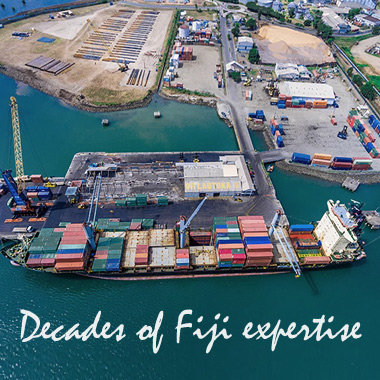
Kalgin has been shipping all types of freight to Fiji since 1989, from personal parcels to containers to oversized machinery. Direct from Australia, New Zealand, and Papua New Guinea.
Our frequent, regular sea freight and express air links, along with duty-smart brokerage, enable shipments to arrive on time and in full!
Contact Kalgin to arrange your shipment.
Understanding the Complexities of Shipping to Fiji
Shipping to Fiji from Australia, New Zealand, and Papua New Guinea is a vital trade link, but navigating the complexities of Pacific logistics requires more than just booking a container. From evolving biosecurity rules to specific customs concessions, small errors can lead to significant delays and unexpected costs. As experts in Pacific Islands logistics since 1989, Kalgin Global Logistics provides the local insight needed to move your cargo efficiently through the gateways of Suva and Lautoka.
Perfecting Your Fiji Shipping
Successful Fiji shipping starts with choosing the right mode of transport, and understanding the regional logistics landscape.


Fiji Shipping: Air or Sea?
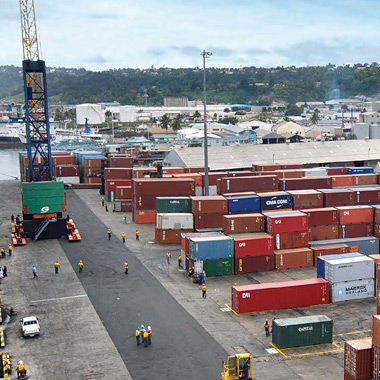
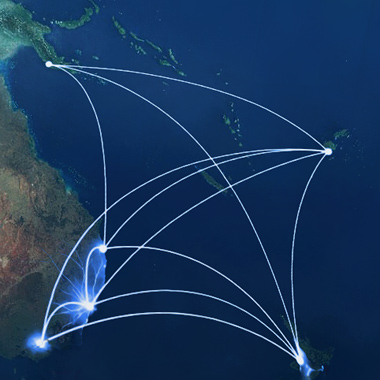
Shipping to Fiji typically involves a choice between the speed of air freight and the economical, high-volume capacity of sea freight. While air is ideal for urgent or high-value items, the majority of trade between Australia and Fiji moves via ocean routes due to cost-effectiveness.
Sea Freight to Fiji (LCL vs FCL)
When opting for sea freight to Fiji, you have two primary choices:
- FCL (Full Container Load): You rent the entire 20ft or 40ft container. This is faster than LCL, and more secure for large volumes.
- LCL (Less than Container Load): Your goods share space in a container with other shippers. While more affordable for small consignments, LCL shipments require extra time for consolidation and deconsolidation.
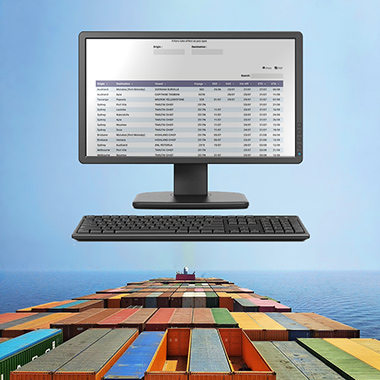
Fiji Sailing Schedules
Dependable Fiji sailing schedules are essential for supply chain planning. Major carriers like ANL and Matson offer regular services from Sydney, Melbourne, and Brisbane to Suva and Lautoka. As of 2026, many services operate on a weekly or fortnightly basis, though schedules can shift due to regional port congestion.
Fiji LCL Schedules
Air Freight to Fiji
Air freight remains the “emergency valve” for businesses, with transit times from Australia to Fiji of 1–5 business days, compared to the 2–4 weeks often required for sea freight.
Kalgin Air Freight
Common Mistakes When Shipping Goods to Fiji
Many shippers encounter problems because they treat shipments across Fiji’s borders like a domestic move. Far from it.
Successful Fiji shipping requires strict adherence to Fiji’s stringent import regulations.
- Frequent issues
- Overlooking Fiji Import Regulations: Failing to secure necessary permits before the vessel departs is a primary cause of port storage fees.
- Inexperience in Fiji Customs Clearance Processes: Fiji customs clearance is highly standardised; errors in commercial invoices or Bill of Lading descriptions can stall a shipment for weeks.
- Overlooking Biosecurity Requirements: Fiji has some of the world’s strictest biosecurity laws to protect its unique ecosystem.
Personal and Commercial Goods: Key Differences
The Fiji customs and revenue requirements differ significantly based on the intent of the shipment.
Guidelines for Personal Effects Shipping
Personal goods shipping often falls under Concession Code 212. As of 2026, private individuals can import goods valued up to FJD $1,000 (CIF value) with a 15% VAT application but exemptions on certain duties. Note that this excludes liquor and tobacco, and the goods must be for personal use only.
Essential Steps for Commercial Goods Shipping
Commercial goods shipping requires formal customs clearance through a licensed customs agent.
- Engage an Agent: Mandatory for all commercial entries.
- Taxpayer Identification Number (TIN): Importers must have a valid TIN registered with the Fiji Revenue & Customs Service (FRCS).
- Documentation: You must provide a detailed list including descriptions, quantities, and commercial invoices.
The Importance of Understanding FRCS and BAF
The Fiji Revenue and Customs Service (FRCS):
Understanding Fiji customs and the role of FRCS is vital for compliance.
- Key Regulations: FRCS requires advance cargo information from all carriers and freight forwarders.
- Common Compliance Issues: Undervaluation and inaccurate descriptions are heavily penalised and can lead to cargo seizure.
- Duties and Taxes: Be prepared for the 15% VAT on most imports, in addition to fiscal and import excise duties depending on the commodity code.
The Biosecurity Authority of Fiji (BAF)
Fiji biosecurity is managed by BAF, and non-compliance results in immediate fines or re-exportation.
- Understanding Biosecurity Rules: All food, plant, and animal products must be declared. Used machinery and vehicles must be steam-cleaned and free of soil or seeds before arrival.
- Avoiding Common Errors: Using old, contaminated wooden packaging is a frequent mistake. All timber packaging must comply with ISPM 15 standards (heat-treated or fumigated).
Shipping Goods to Remote Islands via Fiji
Fiji serves as a primary hub for shipping to remote islands in the wider Pacific region.
- Remote Island Challenges: Connectivity to smaller islands often involves smaller inter-island vessels with limited crane capacity.
- Shipping Services to Smaller Islands: While Suva and Lautoka are the main hubs, secondary ports like Labasa and Levuka require specialized logistics coordination.
- Container Shipping Considerations: For remote deliveries, container shipping to Fiji may require “shippers owned containers” (SOC) if the carrier does not offer equipment returns from isolated locations.
Kalgin: Leaders in Fiji & Pacific Islands Shipping
Choose Kalgin, the forwarder that businesses, NGOs and families have trusted to keep commerce flowing and loved ones connected in the Pacific Islands since 1989.
Contact Kalgin to arrange your shipment.
Tips for Successful Shipping to Fiji from Australia
To ensure your goods reach their destination without a hitch, follow these professional tips:
Choose the Right Shipping Partner
A partner with a local presence, like Kalgin Global Logistics with offices in Suva and Lautoka, can solve problems in real-time as schedules shift.
Utilise digital tools like KalTrack for 24/7 visibility into your shipment’s status.
Prepare Your Shipment Properly
- Documentation First: Ensure all packing lists and invoices match exactly.
- Cleanliness: Ensure used goods are professionally cleaned to satisfy BAF.
Clear Your Cargo Faster from Suva and Lautoka Ports
Accelerate the process by utilising FRCS’s pre-advance processing window, which allows registration up to three days before arrival. Having a licensed broker ready to lodge entries the moment the manifest is reported is the most effective way to avoid port storage fees.
Calculate Air Freight Correctly
When using air freight, the most common errors relate to cost calculations.
- Volume and Weight Mistakes: Airlines charge based on chargeable weight—the greater of actual weight or volumetric weight.
- Failing to Understand Air Freight Pricing: Ensure you account for “Landed Cost,” which includes not just the air rate but also airport handling and urgent customs processing fees.
FAQs: Shipping to Fiji
Resources for Shipping to Fiji from Australia
- Fiji Customs & Resources
- Guide to Incoterms® 2020 Trade Definitions
- Freight Protection: Cargo insurance / warranty
- Fiji Customs Declaration C45 Part A
*Complete when goods have not been subject of a sale - Fiji Customs Declaration C45 Part B
*Complete when goods have been subject of a sale
- Shippers’ Letters of Instruction
- Kalgin Australia SLI
- Kalgin New Zealand SLI
- Kalgin Fiji SLI
- Kalgin Papua New Guinea SLI
Kalgin Market Updates
Stay Ahead of Your Supply Chain!
Forewarned is forearmed. Anticipate supply chain changes with Kalgin’s free, exclusive monthly market updates.
SUBSCRIBE